Original video
MP4 or WebM recordings of complete physical tasks. Source files stay private; licensed download access depends on the order’s confirmed payment and status.
Find the physical tasks your research needs. Explore original footage, task context and timed actions by activity, then check the live catalogue for availability.
The recording, its labels and the evidence behind them remain distinct. Check each collection’s specifications before choosing it.
MP4 or WebM recordings of complete physical tasks. Source files stay private; licensed download access depends on the order’s confirmed payment and status.
JSONL metadata and a CSV index connect recording references, activity, viewpoint and technical fields. Explicit provenance distinguishes measured properties from contributor declarations.
Action intervals describe visible steps on the recording timeline. Automatically accepted footage also includes a full analysis JSON with the model, processing versions and limitations.
Accounts and private uploads are open. New automatic analysis is waiting for its production connection. Paid checkout and contributor payouts will open later.
Twelve activity areas share one catalogue taxonomy. These guides describe capture and annotation choices; the marketplace reports current supply.
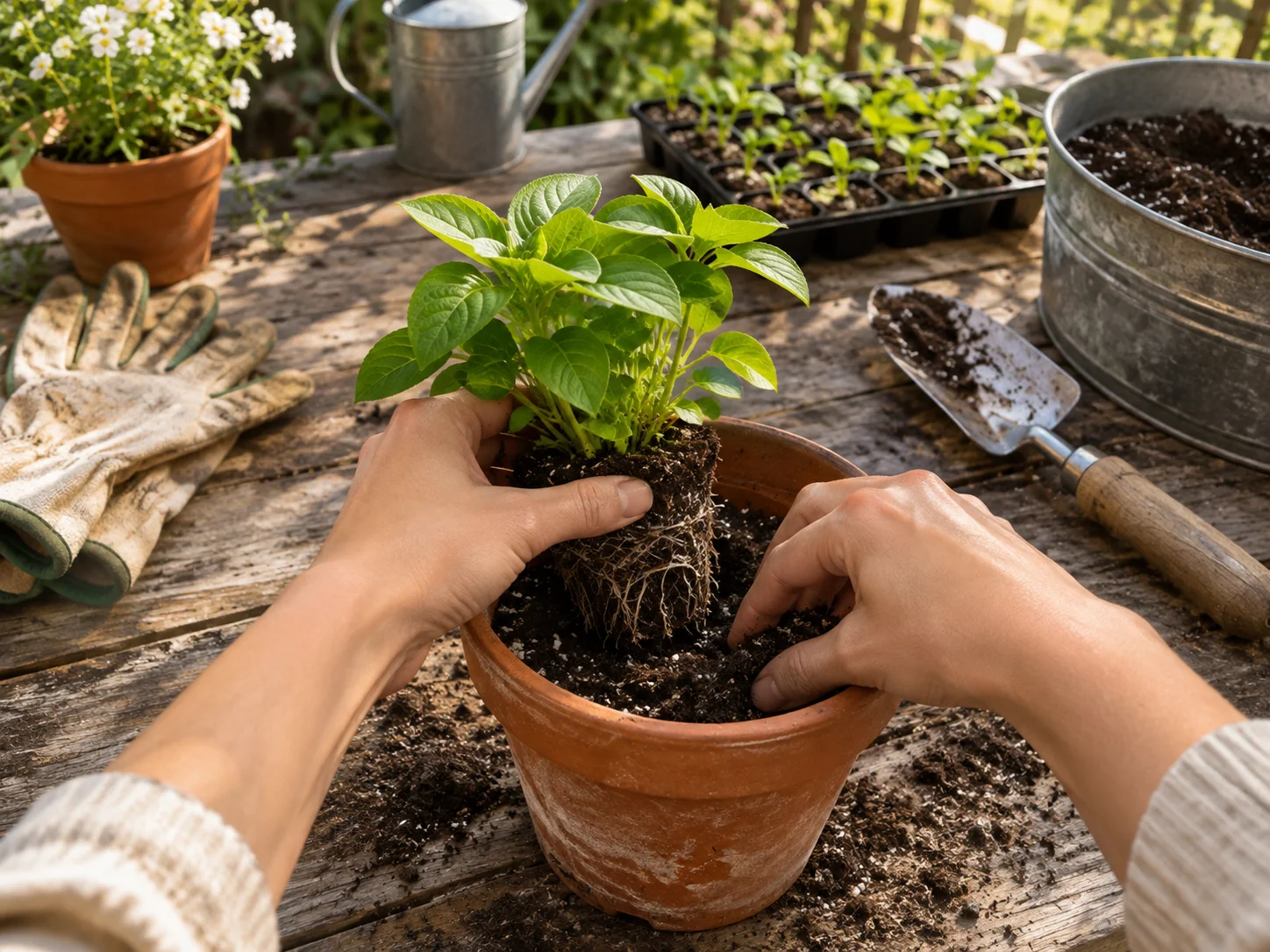
Repotting, watering, pruning and organizing garden tools.
Browse gardening Read the capture and annotation guidePreparing ingredients, pouring, mixing and handling utensils.
Browse cooking Read the capture and annotation guideFolding textiles, cleaning surfaces and putting objects away.
Browse housekeeping Read the capture and annotation guidePicking, packing, sorting and moving goods between locations.
Browse logistics Read the capture and annotation guidePositioning components, assembling parts and handling materials.
Browse manufacturing Read the capture and annotation guideWorking with textiles, materials and hand tools through a complete task.
Browse crafts Read the capture and annotation guideInspecting, adjusting and repairing equipment in authorized settings.
Browse maintenance Read the capture and annotation guideSetting a table, preparing a service station and arranging supplies.
Browse hospitality Read the capture and annotation guideRestocking shelves, arranging products and preparing customer orders.
Browse retail Read the capture and annotation guideHandling crops, sorting produce and performing authorized farm tasks.
Browse agriculture Read the capture and annotation guidePreparing materials and performing safe, authorized installation tasks.
Browse construction Read the capture and annotation guideA clearly defined physical activity with visible steps, objects and outcomes.
Browse other physical activities Read the capture and annotation guideDescribe what you want a model to observe, the variation you need and the evidence required to evaluate it. Availability and any additional capture or annotation work must be agreed for that request.
Human video can support action understanding and learning from demonstrations. Ordinary footage does not supply measured robot commands, calibrated pose, depth, masks or force. Specialist labels need a separate specification and suitable capture.
Write a dataset brief